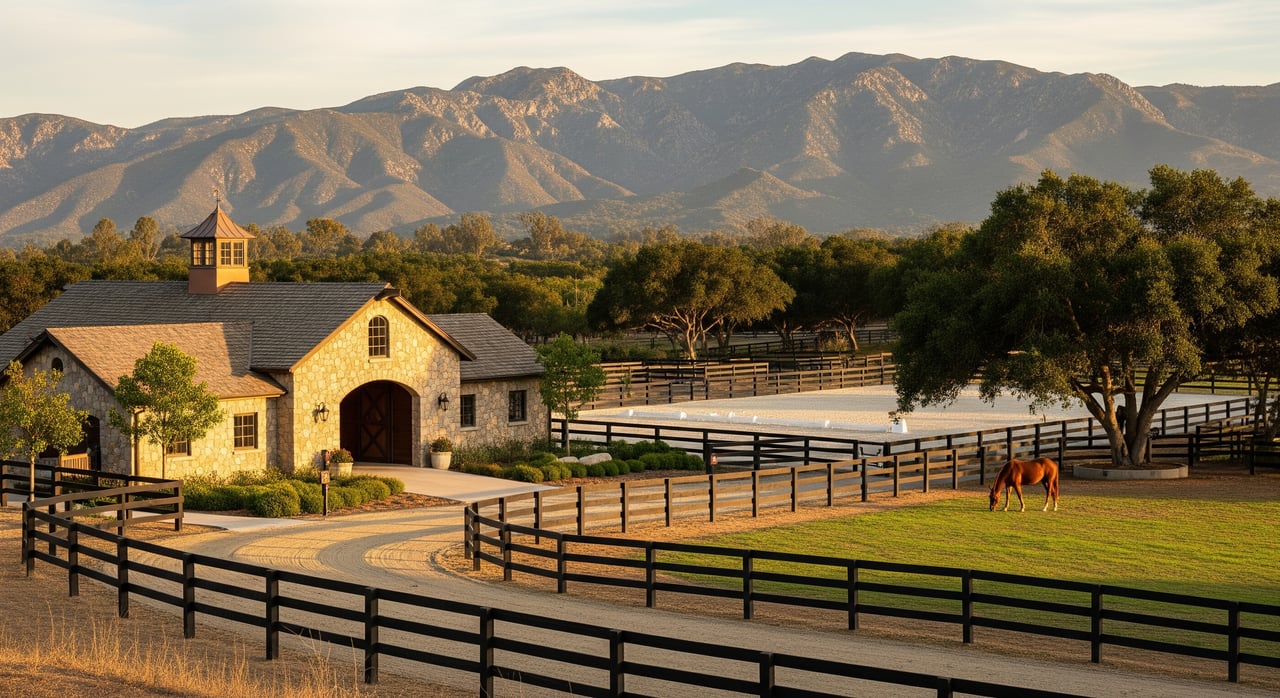
If your dream morning starts with a quiet ride under oak canopies and ends with a sunset groom at home, Agoura Hills may feel like it was made for you. The city sits where suburban comfort meets open space, giving you real trail access and a strong equestrian community. In this guide, you’ll learn how to ride from your doorstep, what boarding really costs, and which property features and permits matter most. Let’s dive in.
Why Agoura Hills fits horse life
Agoura Hills rests at the eastern edge of the Santa Monica Mountains, surrounded by trails and protected open space. Neighborhoods like Old Agoura are known for large lots, private bridle lanes, and properties that already have barns or turnouts. Homes near Liberty Canyon and the Mulholland Corridor often back to open space, so you can trailer less and ride more.
This is an affluent, high-demand market. Equestrian properties usually command a premium because of usable acreage, improvements, and quick trail access. Your value comes from a well-laid-out site, safe infrastructure, and proximity to riding networks.
Where to ride: trails and access
Santa Monica Mountains NRA and Backbone Trail
Many local rides start in the Santa Monica Mountains National Recreation Area. You can confirm trail rules, closures, and staging areas on the National Park Service’s page for the Santa Monica Mountains National Recreation Area. For longer adventures, review horse-permitted segments and current notices on the Backbone Trail before you go.
Upper Las Virgenes Open Space Preserve
To the northeast, the Upper Las Virgenes Canyon Open Space Preserve offers rolling fire roads and single-track. The managing agency posts maps, permitted uses, and seasonal updates. Start with the MRCA’s page for the Upper Las Virgenes Canyon Open Space Preserve.
Private lanes and staging tips
Old Agoura and select large-lot areas include private bridle lanes that keep you off busier streets. Some estates have private trail easements into open space. Trailer parking can be limited at public trailheads, so plan staging in advance and check for group or event permits when needed.
Boarding options and real costs
If you are not ready to buy a horse property, boarding keeps you riding while you plan. Common models in the Agoura Hills and western LA County region include:
- Full board: daily feeding, stall cleaning, turnout, and access to arenas and trails. Typical rates often range from about $800 to $1,500+ per month, with elite training barns higher.
- Partial or modified board: you cover some feed or care, the facility covers the rest. Pricing varies by task split and amenities.
- Pasture or paddock board: lower-cost option where the horse lives primarily outdoors. In Southern California, pasture board commonly runs from the low hundreds to several hundred dollars per month depending on location and services.
- Self-care or DIY: you rent a stall or paddock and handle all care; costs are lower but time commitment is higher.
- Training or show board: includes regular training sessions and show support, often above $1,500 per month.
Prices vary based on amenities, trainer access, turnout, footing, and proximity to Malibu and Los Angeles. Always verify current rates and policies with each facility.
How to evaluate a stable
- Visit at different times to see turnout, stall care, and staff routines.
- Ask about vaccination, deworming, biosecurity, and manure disposal.
- Confirm insurance, liability waivers, emergency plans, and wildfire evacuation procedures.
- Check arena footing, lighting, wash racks, tack rooms, feed storage, and trailer parking.
Buying a horse property: what matters most
Must-have features
- Barn and stalls: safe construction, ventilation, tack room, hay storage, grooming and wash areas with hot and cold water.
- Turnouts and fencing: safe, well-maintained fencing, shaded areas, reliable water, and good drainage.
- Arena: appropriate size, quality footing, irrigation or dust control, and lights for evening rides.
- Access: trailer-friendly driveway, secure gates, space to stage and load, and trail easements if available.
- Water and utilities: sufficient water supply, well capacity and rights if applicable, and barn plumbing that aligns with septic or sewer rules.
- Manure management: a clear, compliant plan for storage and disposal.
Site realities in Agoura Hills
- Slopes and grading: hilly parcels may limit flat, usable acreage. Arena pads and drainage can add cost.
- Fire risk: properties near chaparral sit in the wildland urban interface. Defensible space, fire-resistant materials, and insurance planning are essential.
- Habitat and setbacks: riparian areas and sensitive habitat can affect where you place barns, arenas, and fencing.
Ongoing costs to plan for
- Feed, bedding, supplements, and seasonal hay price swings.
- Farrier every 6 to 8 weeks, dentals, and vaccinations.
- Footing maintenance, fencing repairs, and weed control.
- Utilities for irrigation and washing, plus septic service if applicable.
- Property and equine insurance, and potential tax increases for improvements.
Showing-day checklist for buyers
- Turn on hydrants, check water pressure at the barn, and inspect hose bibs.
- Walk fencing and gates for safety, latches, and visibility.
- Test arena footing, review drainage patterns, and confirm lighting works.
- Verify trailer access, gate widths, and turnaround space.
- Locate manure storage and ask about hauling or composting routines.
Selling an equestrian property: stand out with function
What to highlight
- Safe, usable arenas and sound fencing.
- Reliable water systems, including well details or municipal supply notes.
- Trailer-friendly access and clear trail connectivity.
- Fire-hardening steps and defensible space maintenance.
Documents to organize
- Zoning confirmations, animal-count allowances, and any HOA rules.
- Building permits for barns, grading, electrical, and plumbing.
- Water rights and well tests, septic details, and maintenance logs.
- Written trail easements and manure management plans.
Rules, permits, and safety essentials
Local rules differ by city and county. For parcels within city limits, start with the City of Agoura Hills Planning Department for zoning and allowed uses. For unincorporated areas, review the Los Angeles County Department of Regional Planning and coordinate with the County’s public health team for septic or well questions.
Wildfire readiness is part of daily life in this region. Check CAL FIRE for fire hazard maps, defensible space guidance, and home-hardening resources. Build an equine evacuation plan with routes, contacts, and a ready-to-go trailer.
Quick evacuation checklist
- Halters and lead ropes labeled for each horse.
- Copies of Coggins, vaccine records, and emergency contacts.
- Pre-packed feed, meds, water containers, and first-aid kit.
- A list of potential host facilities and a backup hauler.
Board or buy: which path fits you
- Choose boarding if you want low maintenance, predictable monthly costs, and easy access to trainers.
- Choose to buy if you want full control, daily connection with your horses, and long-term equity in an equestrian asset.
- Many riders board first to learn the area, then buy once they know their trail and training routine.
Local services and community
You will find a full ecosystem that serves Agoura Hills riders: mobile equine veterinarians, farriers, equine dentists, trainers, and tack and feed suppliers in the Conejo Valley and Malibu corridor. Local clubs and Backcountry Horsemen groups organize trail days and clinics. Tap into these networks for referrals and up-to-date trail advisories.
Start your search with confidence
Whether you are comparing boarding barns or touring Old Agoura lots, a clear plan saves time and money. Confirm zoning and permits early, evaluate the real usability of the land, and budget for ongoing care and fire resilience. When you want a calm, strategic partner who understands both lifestyle and numbers, connect with Julia Kanesawa to discuss your next step.
FAQs
How much land do I need in Agoura Hills for one or two horses?
- It depends on usable flat space, turnout design, and local rules; many owners use paddocks with supplemental feeding rather than full grazing, so verify animal limits and setbacks with city or county planning before you buy.
What does boarding typically cost near Agoura Hills?
- Pasture or paddock board often ranges from the low hundreds to several hundred dollars per month, while full board commonly runs about $800 to $1,500+ monthly, with high-end training programs higher.
How do I confirm if a property allows horses?
Are there horse-friendly trails near Old Agoura?
How does wildfire risk impact owning a horse property?
- Expect to budget for defensible space, insurance, and an evacuation plan; use CAL FIRE resources for hazard maps and preparedness guidance, and confirm local requirements each season.